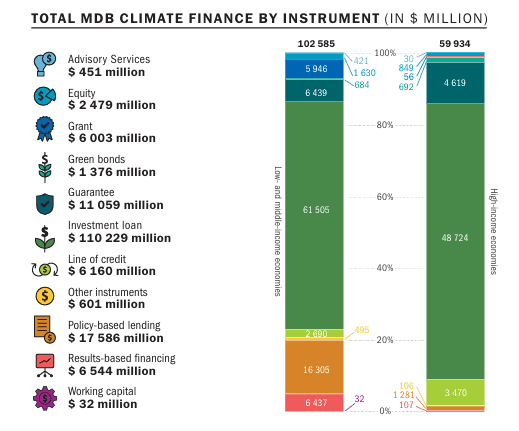
The latest Joint Summary Report on Multilateral Development Banks’ (MDBs) Climate Finance shows that MDB climate finance continued to grow in 2025, reaching record financial volumes. Total MDB climate finance reached USD 163 billion, while climate finance in low- and middle-income countries increased by 21% year-on-year to USD 103 billion, nearly doubling since 2021. MDBs also exceeded the collective climate finance targets they set in 2019 and remain on track to meet their 2030 projections. These figures show the scale at which MDBs are now deploying capital towards climate-related investments, highlighting their continued commitment to closing the climate finance gap in Emerging Markets and Developing Economies (EMDEs).
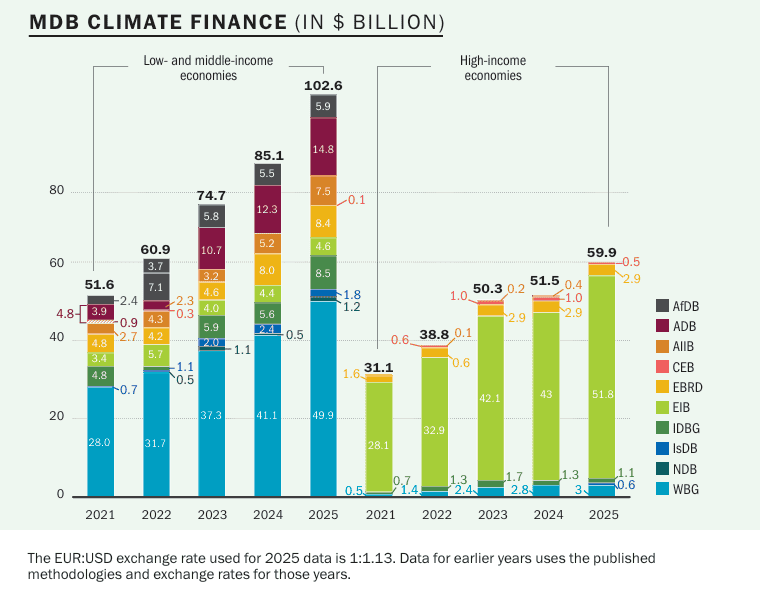
At a time of geopolitical tensions and ESG backlash, when climate commitments across the world are wavering, the continued growth of MDB climate finance is important. It suggests that climate investment remains a core part of MDB activity and that the development banks continue to expand their capacity to originate and finance projects across EMDEs.
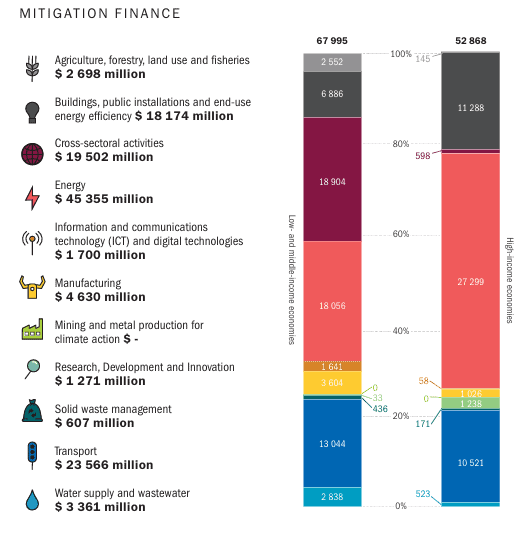
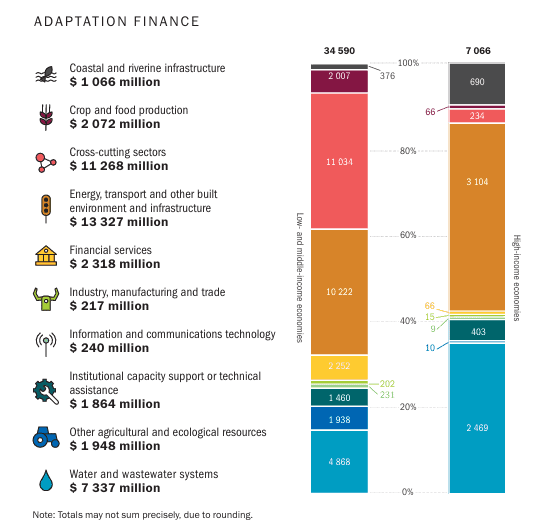
Additionally, what is being financed is changing. Of the US$103 billion deployed in low- and middle-income countries in 2025, USD 68 billion was directed towards mitigation and USD 35 billion towards adaptation. This is a significant increase from 2024, where mitigation accounted for USD 58 billion and adaptation for USD 26 billion. While mitigation remains the larger category, adaptation finance is growing, reflecting an increasing investment in climate resilience alongside decarbonisation. This is visible across sectors, from energy and infrastructure to agriculture and food systems, and is in line with the Baku to Belém Roadmap and the outcomes of COP30, which aim to deliver a strong push to triple adaptation finance by 2030.
The increase in climate finance and the focus on adaptation and resilience is also reflected within ILX’s portfolio, where ~50% of the investments qualify as climate finance. One example is Kılıç Deniz, one of Türkiye’s leading sustainable aquaculture companies. The company combines lower-than-average carbon emissions with investments aimed at strengthening resilience to changing climate conditions, including expansion into farming locations designed to reduce exposure to climate-related risks. Another example is Arboreal, a Uruguayan company focused on scaling sustainable wood-based solutions in Latin America through the development of responsibly managed timber plantations that support both climate mitigation and sustainable land use.
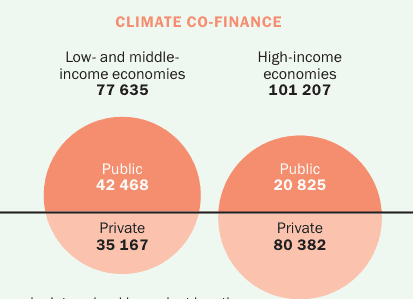
Beyond financing volumes, the report also highlights the growing role of MDBs in mobilising private capital towards EMDEs. Private-sector mobilisation accounted for USD 116 billion, USD 35 billion of which was in low- and middle -income countries, while investment loans remained the largest instrument used to deploy climate finance. Together, these numbers highlight the important role of MDBs not only in providing capital but also in acting as catalysts to attract additional private investment.
The role of MDBs in mobilising private capital is particularly relevant given the scale of financing required to address climate challenges across EMDEs. As public capital alone is unable to meet these needs, MDBs are placing greater emphasis on mobilising private capital to help close the financing gap. This is reflected in the shift from the originate-to-hold model to the originate-to-distribute model, which has been adopted by several MDBs. By sharing originated assets with institutional investors, MDBs can expand their lending capacity and increase the overall volume of financing available to EMDEs. Institutional investors, meanwhile, gain access to investment opportunities that are often difficult to access directly in many EMDEs. By participating in MDB-originated assets, institutional investors benefit from their years of experience, resources on the ground, and preferred creditor status, while achieving both market-equivalent risk-adjusted returns and impact.
Sources
European Investment Bank (EIB), 2025 Joint Summary Report on Multilateral Development Banks’ Climate Finance, July 2026.
UNFCCC, Report on the Baku to Belém Roadmap to 1.3T, November 2025
Authors
Sofía Vega Núñez – Head of Communications. s.vega@ilxfund.com
Thijmen Elshout – Investor Relations Intern. t.elshout@ilxfund.com